Workshop records
Observe the grain without inventing a grade
Visible features can be described carefully without assigning a structural grade or a species identification that the evidence does not support.
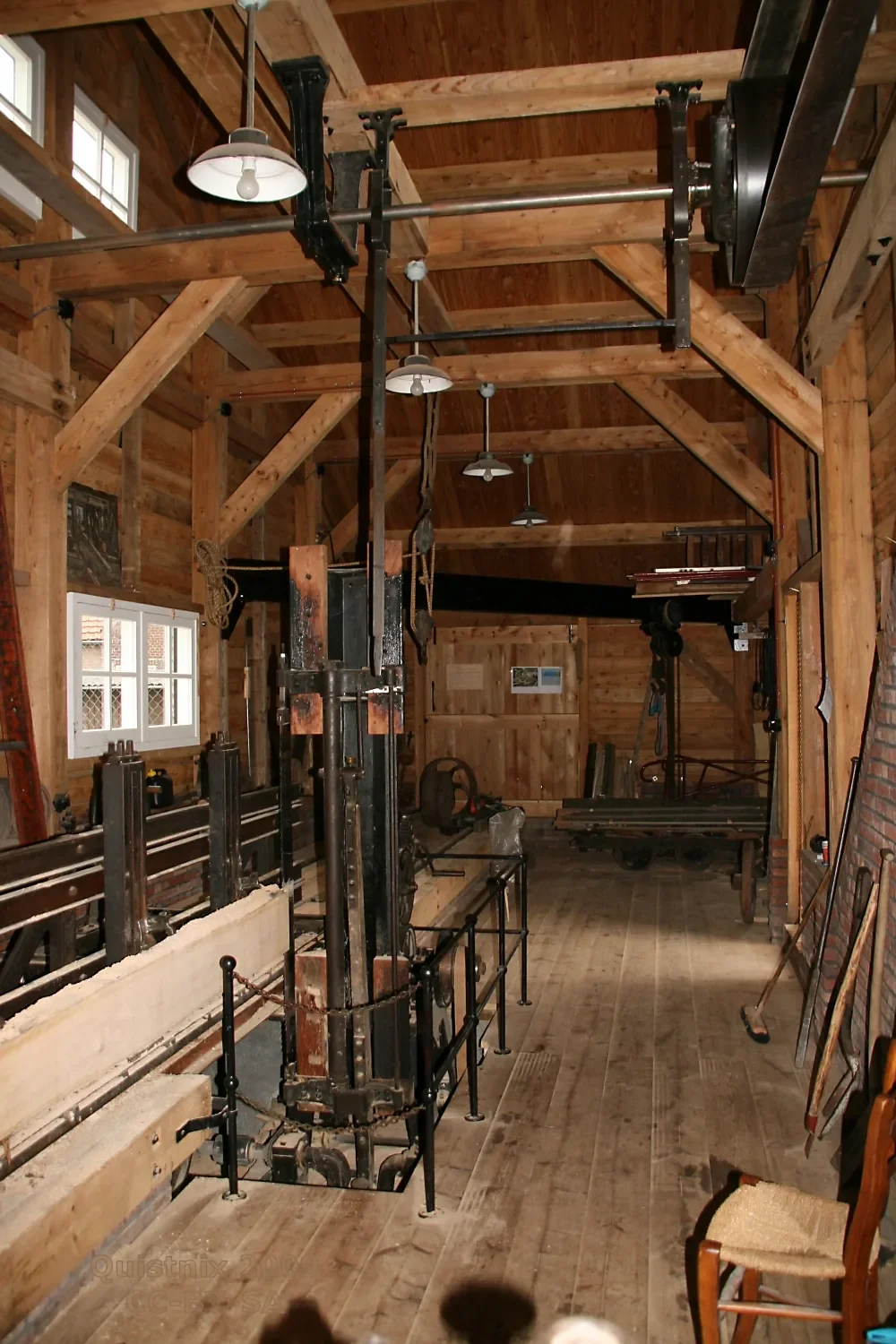
Describe before interpreting
Note the orientation of visible grain, knots, surface texture and any documented marks. A knot and a growth-ring pattern can be photographed without turning the image into an engineering judgment. Keep the observed feature separate from an explanation that would require additional expertise.
Use the product record
CWC’s lumber information explains how dimensions, grade and moisture classifications communicate different things. A useful board record retains the supplier’s specification and the meaning of any legitimate mark. An unmarked offcut should not be assigned a grade because it resembles a published example.
Make uncertainty practical
List the information you would need for an intended use rather than guessing it. For a structure, that can involve the relevant design specifications and qualified advice. For this journal’s study exercise, the endpoint is a traceable description, not approval to build.
Read the primary sources
The explanation above is independently written. Sources support the factual foundations; examples and learning prompts are this publication’s own.